 Aug 18
Strategic consortium signs $1 billion deal for Uzbekistan’s largest wastewater treatment plant
Read story
Aug 18
Strategic consortium signs $1 billion deal for Uzbekistan’s largest wastewater treatment plant
Read story
June 22, 2024
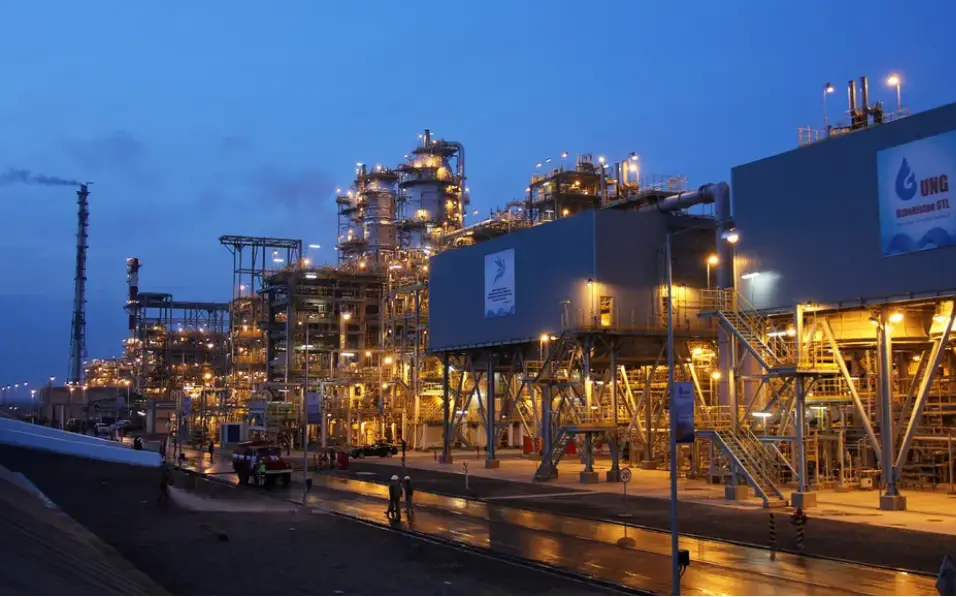
gas-to-liquid transfer plant of Uzbekistan started operating in 2016
Facility will produce synthetic fuels for domestic and international markets from natural gas
State-owned oil and gas producer Uzbekneftegaz has commissioned a long-awaited gas-to-liquids plant to convert natural gas into jet fuel, diesel, naphtha and other petroleum products, aiming to reduce Uzbekistan’s dependence on imports, mostly from Russia.
The commissioning of the GTL plant – the only such facility within the former Soviet Union – had been pushed backed almost a year and a half as a result of restrictions, evacuations and equipment supply challenges, caused by the Covid-19 pandemic.
Started in 2016, a GTL project for producing petroleum products from natural gas on such a scale is unlikely to be repeated any time soon because of the because the heavy investments required, the energy inefficiencies inherent in the conversion process and the global backdrop of the energy transition.
According to the Uzbek Energy Ministry, investments in the plant have so far run to $3.4 billion, below a budgeted $3.6 billion.
The facility will be able to receive up to 3.6 billion cubic metres of methane per year and produce an estimated 724,000 tonnes of diesel fuel, 437,000 tonnes of naphtha, 307,000 tonnes of jet fuel and some liquefied propane and butane.
Capacity exceeds Uzbek domestic demand for diesel fuel and jet fuel, thus replacing imports of these products, and naphtha to be transferred to the nearby Shurtan gas processing plant, also operated by Uzbekneftegaz, to be used as feedstock for producing polymers.
The Uzbek energy ministry stated that the plant is capable of running at five different configurations to increase production of different products in response to demand shifts
Speaking at the commissioning ceremony, Mirziyoyev said capacity to produce synthetic fuels from the plant was an important step forward, due to an estimated 40% reduction in emissions compared with fuels produced from conventional oil.
He said authorities will continue to foster the construction of polymer processing facilities in gas producing regions of the country to commercialise existing gas reserves and export “high-value polymers” instead of natural gas.
Exploration and search for new gas reserves will also continue across the country, according to Mirziyoyev.