
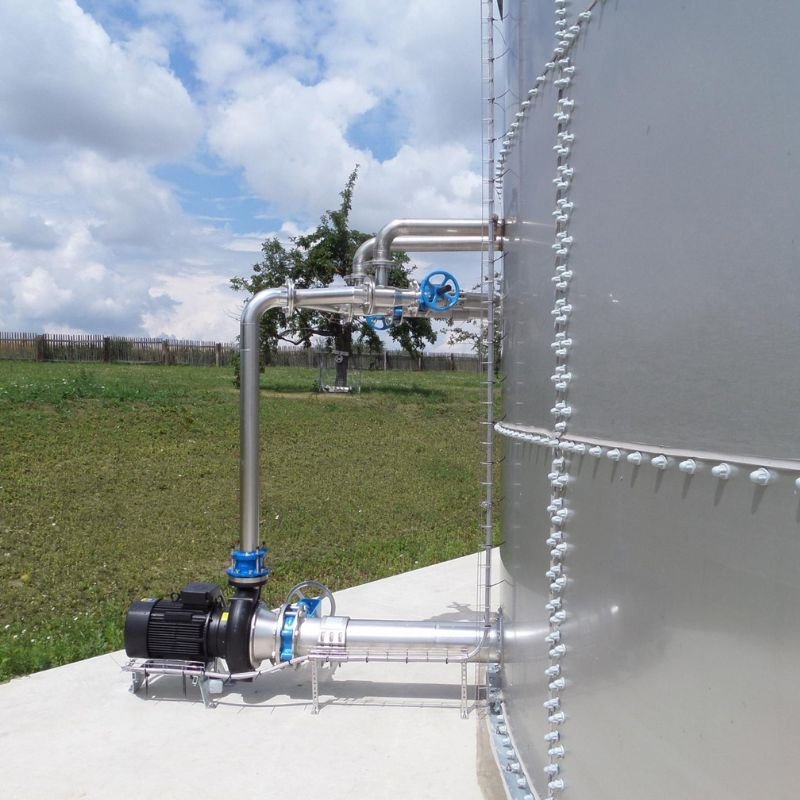
Here’s a categorized list of pump and mixer-related equipment commonly used in water and wastewater treatment plants:
Pumps
Centrifugal Pumps
-
- Horizontal/vertical centrifugal pumps
- End-suction pumps
- Split-case pumps
Submersible Pumps
Sewage submersible pumps
-
- Dewatering pumps
- Grinder pumps
Positive Displacement Pumps
-
- Diaphragm pumps
- Rotary lobe pumps
- Peristaltic pumps
- Progressive cavity pumps
Vertical Pumps
-
- Turbine pumps
- Mixed-flow pumps
- Axial flow pumps
Specialty Pumps
-
- Slurry pumps
- Self-priming pumps
- Chemical dosing pumps (for coagulants, disinfectants, etc.)
Booster Pumps
-
- Pressure boosting systems
Dry Well Pumps
-
- Flood control or drainage systems
Mixers
Slow Speed Mixers
-
- For flocculation processes
High-Speed Mixers
-
- For coagulation or rapid mixing
Submersible Mixers
-
- For maintaining suspension in tanks and basins
- For sludge mixing
Vertical Mixers
-
- Typically used in chemical dosing tanks
Inline Mixers
-
- For dosing chemicals or blending in pipelines
Jet Mixers
-
- Using pumped water to achieve mixing
Mechanical Agitators
-
- Used in sludge digesters and other tanks requiring thorough agitation
Aerators and Blending Systems
Surface Aerators
-
- For oxygen transfer and mixing
Diffused Aeration Systems
-
- Fine bubble diffusers
- Coarse bubble diffusers
Jet Aerators
-
- Combining pumping and aeration
Accessories and Components
Piping and Valves
-
- Gate valves, butterfly valves, check valves, and plug valves
Pump Controllers and Panels
-
- Variable frequency drives (VFDs)
- SCADA integration for monitoring and control
Seals and Bearings
-
- Mechanical seals
- Bearing systems for submersible or centrifugal pumps
Strainers and Screens
-
- For preventing debris from damaging pumps
Flexible Couplings
For vibration reduction and alignment adjustments
A pump is a mechanical device used to move fluids (liquids or gases) from one place to another. In the context of water and wastewater treatment plants, pumps play a crucial role in ensuring the efficient flow and management of water through various stages of treatment. Here’s how they work and their functions in a water and wastewater treatment plant:
How Pumps Work:
- Types of Pumps:
- Centrifugal Pumps: These use centrifugal force to move water. They consist of a rotating impeller (a disk with blades) inside a casing. As the impeller spins, it pushes water outward through the casing, creating a vacuum that pulls water into the pump.
- Positive Displacement Pumps: These pumps physically move water by trapping a fixed amount of it and then displacing it through the outlet. Types include diaphragm pumps, piston pumps, and peristaltic pumps.
- Mechanism:
- Pumps intake water from a source (reservoir, well, river, etc.) and push it through the treatment process, which can include filtration, sedimentation, chemical treatment, and disinfection.
- In wastewater treatment, pumps transport raw sewage or treated effluent through different treatment stages, including primary, secondary, and tertiary treatments, and finally to disposal or reuse systems.
- Functions in Water Treatment:
- Transporting Water: Pumps move raw water from intake sources to treatment plants and from one stage of the treatment process to the next.
- Maintaining Flow Rates: By controlling the flow rate, pumps ensure that water remains in contact with treatment chemicals for an adequate amount of time, facilitating proper chemical reactions and pollutant removal.
- Distribution: Pumps also help in distributing treated water to reservoirs, pipelines, or directly to consumers.
- Functions in Wastewater Treatment:
- Handling Wastewater: Pumps are used to move wastewater from homes and industries into the treatment plant, where it undergoes various stages of treatment.
- Sludge Management: Pumps play a role in managing sludge, which is a byproduct of the treatment process. They move sludge to drying beds, lagoons, or dewatering facilities.
- Discharge and Disposal: After treatment, pumps are used to transport treated wastewater to disposal sites or for reuse.
- Energy Efficiency: Modern pumps are designed to be energy-efficient to minimize operational costs and reduce environmental impact. This includes the use of variable frequency drives (VFDs) that adjust the pump speed based on demand.
Pumps are critical components in water and wastewater treatment plants, enabling the effective management of water resources and the protection of public health and the environment.