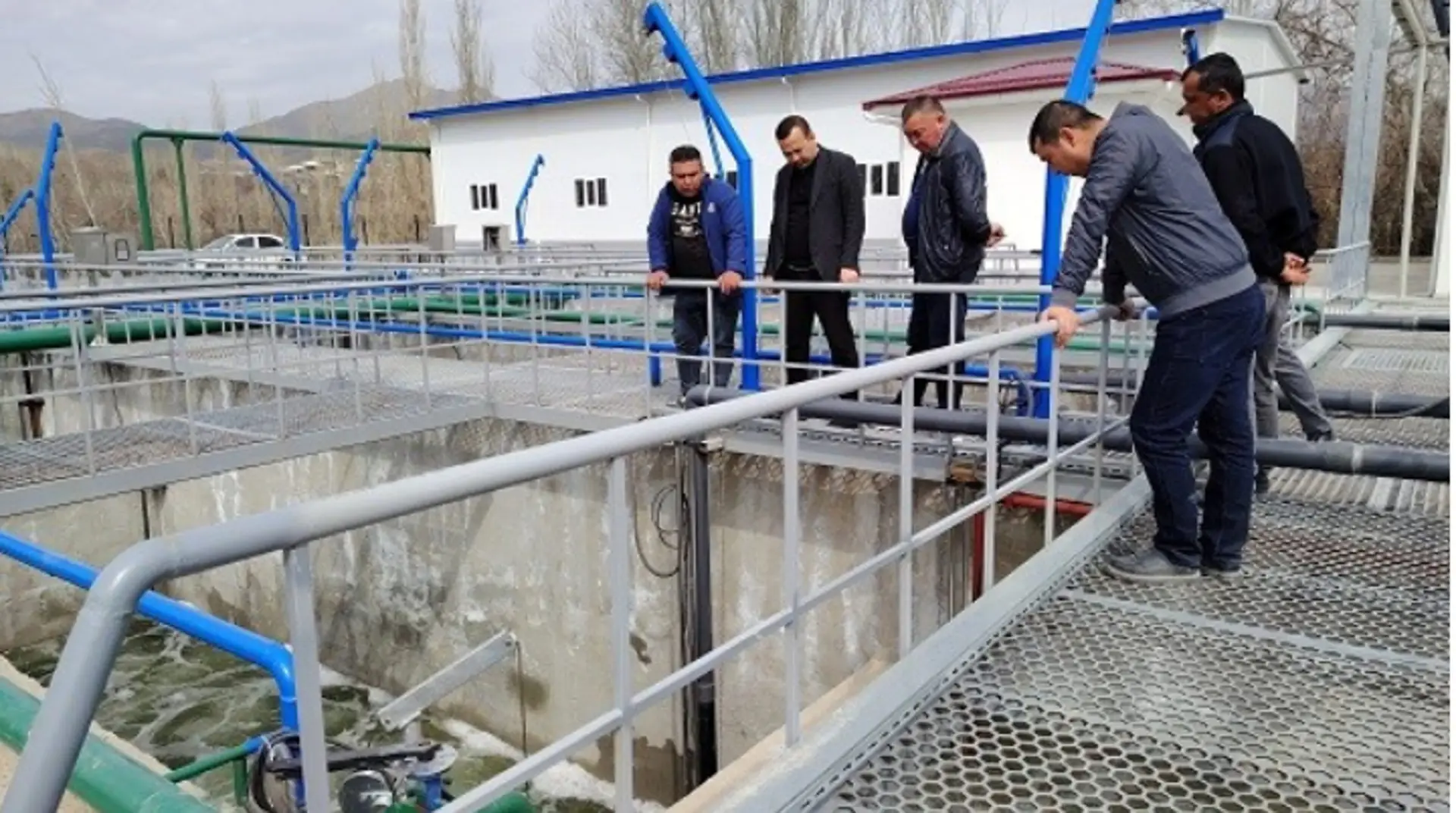

electrical and control equipment

Here’s a comprehensive list of electrical and control equipment commonly used in water and wastewater treatment plants:

  1. Electrical Equipment:

Power Distribution

  • Transformers: Step-up or step-down transformers for power supply.
  • Switchgear: For controlling and protecting electrical circuits.
  • Circuit Breakers: Air, vacuum, or molded case circuit breakers.
  • Motor Control Centers (MCC): Centralized control of motors.
  • Automatic Transfer Switches (ATS): For switching between utility and generator power.
  • Power Distribution Panels: For distributing electricity across the plant.
  • Uninterruptible Power Supply (UPS): Backup power for critical control systems.

Motors

  • Induction Motors: For pumps, blowers, mixers, etc.
  • Servo Motors: For precise positioning applications.
  • Variable Speed Drives (VSD) / Variable Frequency Drives (VFD): To regulate motor speeds and improve energy efficiency.

Cables and Wiring

  • Power Cables: High and low voltage cables.
  • Control Cables: For connecting sensors, instruments, and control systems.
  • Cable Trays and Conduits: For cable management.

Lighting

  • LED Lighting Systems: For indoor and outdoor plant areas.
  • Emergency Lighting Systems: For backup illumination.
  1. Control Equipment:

Process Control

  • Programmable Logic Controllers (PLCs): For automating processes.
  • Human-Machine Interfaces (HMIs): For operator interface and monitoring.
  • Supervisory Control and Data Acquisition (SCADA) Systems: Centralized control and data acquisition.
  • Distributed Control Systems (DCS): For large-scale process control.

Sensors and Instruments

  • Flow Meters: Electromagnetic, ultrasonic, or differential pressure.
  • Level Sensors: Ultrasonic, radar, or float-based sensors.
  • Pressure Transmitters: For monitoring system pressure.
  • pH Meters and Analyzers: For chemical analysis.
  • Dissolved Oxygen Sensors: For aeration monitoring.
  • Turbidity Meters: To measure water clarity.
  • Temperature Sensors: For monitoring thermal conditions.

Actuators

  • Electric Actuators: For valve and gate control.
  • Pneumatic Actuators: For fast-acting applications.
  • Hydraulic Actuators: For high-force control.

Control Panels

  • Local Control Panels (LCP): For process-specific operations.
  • Remote Terminal Units (RTUs): For communication between field devices and control systems.

Alarm and Safety Systems

  • Annunciators: For audible and visual alarms.
  • Emergency Shutdown Systems (ESD): For critical safety operations.
  • Gas Detection Systems: For hazardous gas monitoring.
  1. Auxiliary Systems:
  • Generators: Standby power supply.
  • Battery Systems: Backup for control and communication.
  • Power Factor Correction Units: For improving electrical efficiency.
  • Harmonic Filters: To reduce electrical noise.
  • Grounding Systems: For electrical safety.
  1. Communication and Networking Equipment:
  • Ethernet Switches and Routers: For plant-wide communication.
  • Industrial Protocol Gateways: For interfacing different systems (e.g., Modbus, Profibus).
  • Wireless Communication Modules: For remote monitoring.