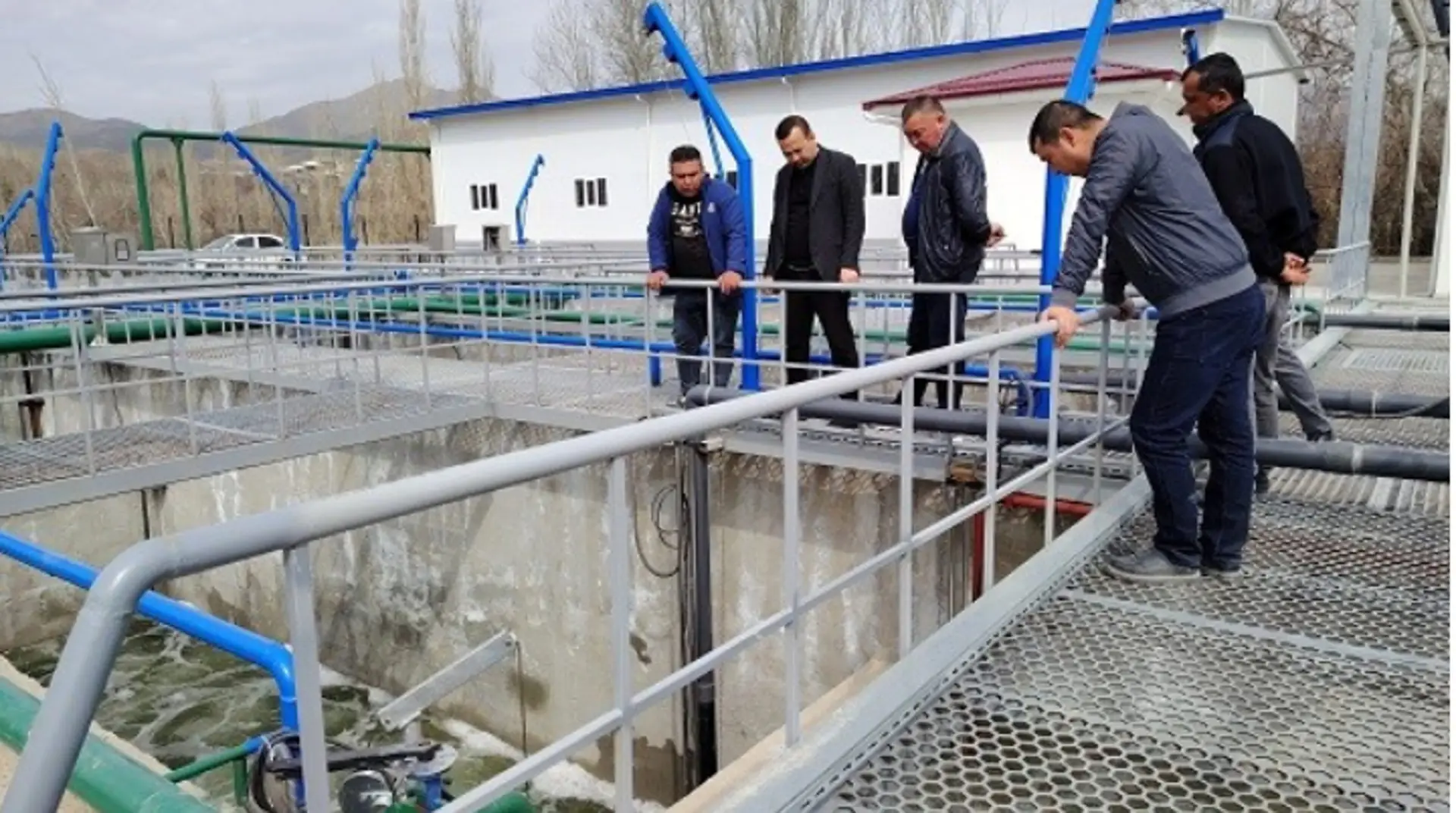

Pipes

Here is a list of commonly used pipe types for water and wastewater treatment applications:

  1. PVC (Polyvinyl Chloride) Pipes
  • Application: Potable water supply, wastewater transport, drainage systems.
  • Advantages: Lightweight, corrosion-resistant, cost-effective.
  • Limitations: Limited temperature resistance and pressure capacity.
  1. CPVC (Chlorinated Polyvinyl Chloride) Pipes
  • Application: Hot and cold water distribution, chemical transport in treatment plants.
  • Advantages: Higher temperature resistance compared to PVC, corrosion-resistant.
  • Limitations: Higher cost compared to PVC.
  1. HDPE (High-Density Polyethylene) Pipes
  • Application: Water mains, sewer lines, and irrigation.
  • Advantages: High flexibility, durability, chemical resistance, excellent for trenchless installation.
  • Limitations: Prone to UV degradation without protective coatings.
  1. Ductile Iron Pipes (DIP)
  • Application: Water supply, sewer lines, and treatment plant applications.
  • Advantages: Strong, long-lasting, high-pressure tolerance, resistant to external loads.
  • Limitations: Requires internal and external protective coatings to prevent corrosion.
  1. Cast Iron Pipes
  • Application: Older sewer systems and water mains.
  • Advantages: Durable and heavy-duty.
  • Limitations: Prone to corrosion; heavy weight complicates installation.
  1. Steel Pipes
  • Application: High-pressure water transport, large-diameter pipelines, treatment plant structures.
  • Advantages: High strength and pressure handling.
  • Limitations: Susceptible to corrosion, requires coatings or linings for water and wastewater use.
  1. Concrete Pipes (RCC – Reinforced Cement Concrete)
  • Application: Large-diameter gravity sewer lines, stormwater drainage.
  • Advantages: Durable, cost-effective for large-scale projects, resistant to heavy loads.
  • Limitations: Heavy, less flexible, prone to cracking over time.
  1. GRP (Glass-Reinforced Plastic) Pipes
  • Application: Sewage systems, water treatment plants, and chemical transport.
  • Advantages: Lightweight, corrosion-resistant, durable.
  • Limitations: Higher initial cost.
  1. Lined Concrete Pipes
  • Application: Wastewater transport with high chemical loads.
  • Advantages: Lined with protective materials (e.g., PVC, HDPE) for chemical resistance.
  • Limitations: Expensive and complex installation.
  1. Copper Pipes
  • Application: Limited to potable water supply in smaller applications.
  • Advantages: Long-lasting, corrosion-resistant.
  • Limitations: Expensive, not suitable for large-scale systems.
  1. Asbestos Cement (AC) Pipes (Rarely Used Now)
  • Application: Older water supply and sewer systems.
  • Advantages: Corrosion-resistant.
  • Limitations: Fragile, hazardous during cutting or disposal.
  1. Polypropylene (PP) and Polyethylene of Raised Temperature (PERT) Pipes
  • Application: Hot water systems in treatment facilities.
  • Advantages: Heat-resistant, flexible.
  • Limitations: Less mechanical strength.
  1. Vitrified Clay Pipes (VCP)
  • Application: Gravity sewer systems.
  • Advantages: Resistant to chemical corrosion, durable.
  • Limitations: Brittle, heavy.
  1. Composite Pipes (e.g., AluPEX, PPR-AL)
  • Application: Specialized transport of treated water and effluents.
  • Advantages: Combines the benefits of metal and plastic.
  • Limitations: Costly.
  1. Fiberglass-Reinforced Plastic (FRP) Pipes
  • Application: Wastewater systems with high chemical loads.
  • Advantages: Highly chemical resistant, lightweight.
  • Limitations: Higher cost.


 GRP Pipe


GRP Pipes for Water and Wastewater Treatment: A Comprehensive Overview

Glass Reinforced Plastic (GRP) pipes have emerged as a reliable solution in water and wastewater treatment systems, offering a host of advantages over traditional materials like concrete, steel, and PVC. These composite pipes, made from a combination of glass fibers, thermosetting resins, and fillers, provide exceptional performance in demanding environments.

Advantages of GRP Pipes

GRP pipes are favored for their unique properties that make them suitable for various applications in the water and wastewater treatment sectors:

  1. Corrosion Resistance
    GRP pipes are highly resistant to chemical and environmental corrosion, making them ideal for transporting aggressive media, including sewage, brine, and industrial effluents. Unlike metallic pipes, they do not require additional coatings or cathodic protection.
  2. Lightweight and Easy Installation
    With a lower weight compared to steel and concrete pipes, GRP pipes are easier and more cost-effective to transport and install. This feature significantly reduces the time and labor required for installation.
  3. High Strength-to-Weight Ratio
    GRP pipes exhibit excellent mechanical strength, capable of withstanding high internal pressures and external loads. This makes them suitable for both buried and above-ground applications.
  4. Durability and Longevity
    GRP pipes have a lifespan of 50 years or more under normal operating conditions. Their robust structure minimizes maintenance costs over their lifecycle.
  5. Hydraulic Efficiency
    The smooth internal surface of GRP pipes ensures minimal friction losses, enhancing the flow of water and wastewater. This characteristic reduces pumping costs and energy consumption.
  6. Customizability
    GRP pipes can be manufactured in a wide range of diameters, lengths, and pressure classes, allowing engineers to tailor them to specific project requirements.

Applications in Water and Wastewater Treatment

  1. Potable Water Supply
    GRP pipes are widely used in the transportation of drinking water. They comply with international standards for hygiene and safety, ensuring water quality is not compromised.
  2. Wastewater Collection and Transport
    Due to their chemical resistance, GRP pipes are ideal for conveying wastewater, including domestic sewage and industrial effluents. They are often used in sewer systems and treatment plants.
  3. Desalination Plants
    In desalination processes, GRP pipes transport highly corrosive seawater and brine, demonstrating exceptional performance under harsh conditions.
  4. Stormwater Drainage
    GRP pipes are also utilized in stormwater management systems due to their high flow capacity and resistance to abrasion from debris-laden water.
  5. Sludge Transport in Treatment Plants
    GRP pipes are suitable for handling sludge, a byproduct of wastewater treatment processes, without degradation or leakage.

Challenges and Limitations

While GRP pipes offer many benefits, they are not without challenges:

  • Higher Initial Cost: The upfront cost of GRP pipes may be higher compared to some alternatives, though this is offset by lower maintenance and operational costs over time.
  • Specialized Handling: Although lightweight, GRP pipes require careful handling during transportation and installation to prevent damage.
  • Temperature Limitations: GRP pipes are not ideal for applications involving extremely high temperatures, as their performance may degrade.

Conclusion

GRP pipes have revolutionized the water and wastewater treatment industry with their superior properties and versatility. As infrastructure demands grow and the need for sustainable, cost-effective solutions increases, GRP pipes will continue to play a pivotal role in modern water management systems. Investing in GRP technology ensures not only operational efficiency but also long-term environmental and economic benefits.


Steel Pipe

Steel pipes are commonly used in water and wastewater treatment systems due to their strength, durability, and versatility. Below is a detailed explanation regarding the selection and use of steel pipes in these applications:

  1. Selection of Steel Pipe

Selecting the appropriate steel pipe for water and wastewater treatment involves consideration of the following factors:

  1. Material Type
  • Carbon Steel: Suitable for non-corrosive water or if a protective coating (like epoxy or polyurethane) is applied. Used in general water distribution or when operating conditions are mild.
  • Stainless Steel: Ideal for highly corrosive environments, especially in wastewater containing aggressive chemicals, or in applications requiring high cleanliness (e.g., potable water treatment).
  • Galvanized Steel: Coated with zinc to resist corrosion; used in less aggressive environments.
  1. Coatings and Linings
  • Epoxy Coatings: Protect against corrosion and ensure smooth water flow.
  • Cement Mortar Linings: Used for large-diameter pipes to resist internal corrosion.
  • Polyurethane Linings: Provide excellent corrosion resistance and long-term durability.
  1. Pipe Diameter and Wall Thickness
  • Based on the system design, flow rate, pressure requirements, and hydraulic performance.
  • Larger diameters are used for main water supply or wastewater conduits, while smaller diameters are for distribution systems.
  1. Pressure and Temperature Ratings
  • Ensure the pipe can withstand system pressures and operating temperatures without deformation or failure.
  1. Compliance with Standards
  • Choose pipes adhering to standards such as ISO, AWWA (American Water Works Association), or ASTM (American Society for Testing and Materials) to ensure quality and reliability.
  1. Environmental Factors
  • Consider soil conditions, the presence of aggressive chemicals, and external moisture, which may necessitate additional corrosion protection (e.g., cathodic protection or additional coatings).
  1. Applications of Steel Pipe in Water and Wastewater Treatment

Steel pipes are employed in various stages and applications within water and wastewater treatment systems:

  1. Water Treatment
  1. Raw Water Intake: Steel pipes transport raw water from natural sources (rivers, reservoirs) to treatment plants.
  2. Distribution: After treatment, steel pipes are used to distribute potable water to residential, commercial, and industrial areas.
  3. High-Pressure Applications: Steel pipes handle high-pressure applications such as pumping stations and main supply lines.
  1. Wastewater Treatment
  1. Collection Systems: Steel pipes carry wastewater from homes and industries to treatment plants.
  2. Effluent Discharge: Treated wastewater is transported via steel pipes to discharge points (rivers, oceans) or for reuse.
  3. Aeration Systems: Stainless steel pipes are often used in aeration systems due to their resistance to oxidation and corrosion.
  4. Chemical Dosing: Steel pipes are used for transporting chemicals like chlorine and coagulants due to their high pressure and chemical resistance.
  1. Installation and Use Guidelines

Proper installation and handling of steel pipes are essential to ensure their longevity and functionality:

  1. Pipe Joining Methods
  • Welding: Common for large-diameter steel pipes; ensures leak-proof joints.
  • Flanged Connections: Used for sections requiring regular maintenance or disassembly.
  • Threaded Connections: Suitable for smaller-diameter pipes.
  1. Corrosion Protection
  • Use internal linings (e.g., epoxy) and external coatings (e.g., polyethylene wraps) for corrosion resistance.
  • Employ cathodic protection systems in highly corrosive environments to mitigate electrochemical reactions.
  1. Maintenance
  • Regular inspections for leaks, corrosion, and mechanical wear.
  • Cleaning to prevent sediment buildup, especially in wastewater systems.
  1. Pressure Testing
  • Conduct hydrostatic testing after installation to ensure the pipe can withstand the system’s operational pressures.
  1. Compatibility with Fluids
  • Verify compatibility of steel material and coatings with the type of water or wastewater being transported (e.g., pH levels, presence of chemicals, temperature).
  1. Advantages and Limitations

Advantages

  • Strength: Suitable for high-pressure and high-flow applications.
  • Durability: Long lifespan when adequately protected against corrosion.
  • Versatility: Applicable in potable water, wastewater, and industrial applications.

Limitations

  • Corrosion Risk: Requires protective coatings or cathodic protection in aggressive environments.
  • Cost: Higher upfront cost compared to other materials like PVC or HDPE.
  • Weight: Heavier than plastic alternatives, making installation more challenging.

Conclusion

Steel pipes are a reliable choice for water and wastewater treatment applications due to their mechanical strength, versatility, and adaptability to various conditions. However, careful material selection, proper protective measures, and adherence to industry standards are crucial to ensuring their performance and longevity.


Ductile Iron Pipes

Ductile Iron Pipes (DIP) in Water and Wastewater Treatment

Ductile Iron Pipes (DIP) are widely used in water and wastewater systems due to their strength, durability, and versatility. Below is a detailed explanation regarding their selection, application, and usage.

  1. Selection of Ductile Iron Pipes

When selecting ductile iron pipes for water and wastewater treatment projects, the following factors must be considered:

  1. Mechanical Properties
  • Strength: Ductile iron pipes have excellent tensile strength and are resistant to external pressure, making them suitable for high-pressure systems.
  • Ductility: Unlike traditional cast iron, ductile iron can deform under stress, reducing the risk of cracking.
  • Impact Resistance: High resistance to impact ensures durability during handling and installation.
  1. Coatings and Linings

DIP must have proper internal linings and external coatings to prevent corrosion and ensure longevity.

  • Internal Linings:
    • Cement Mortar Lining: Common for potable water, providing a smooth surface to minimize friction and corrosion.
    • Epoxy Linings: Suitable for aggressive wastewater environments.
  • External Coatings:
    • Bituminous Coating: Protects against soil corrosion.
    • Polyethylene Sleeves: Offers additional protection in aggressive soil conditions.
  1. Jointing System
  • Push-on Joints: Quick and easy to assemble for water transmission lines.
  • Mechanical Joints: Suitable for connections requiring greater flexibility or restrained systems.
  • Flanged Joints: Common in wastewater treatment plants for connections to valves and pumps.
  1. Diameter and Pressure Class
  • Choose pipe diameters and pressure classes based on the design flow, operating pressure, and surge pressure of the system.
  1. Standards and Certifications
  • Comply with standards such as:
    • ISO 2531
    • EN 545 for potable water
    • EN 598 for wastewater applications.
  1. Applications in Water Treatment
  2. Potable Water Transmission
  • DIP are used in pipelines to transport treated water from treatment plants to storage tanks or distribution networks.
  • Cement mortar lining ensures the water remains uncontaminated.
  1. Raw Water Intake
  • Durable enough to withstand high loads from sediment and debris in untreated water.
  1. Treated Water Distribution
  • Corrosion resistance prevents contamination of water in distribution systems.
  1. Applications in Wastewater Treatment
  2. Collection Systems
  • DIP are commonly used in sewer collection systems for conveying wastewater to treatment plants.
  • Resistance to abrasion makes them suitable for carrying wastewater with suspended solids.
  1. Effluent and Sludge Lines
  • Epoxy-lined DIP are used for carrying treated effluent or sludge, as they resist chemical attack.
  1. Pump Stations
  • Flanged DIP are used in pump stations due to their ability to handle high pressures and frequent dismantling for maintenance.
  1. Installation and Usage
  2. Trenching
  • Ensure proper trench preparation with suitable bedding material to support the pipe and prevent external stress.
  1. Joint Assembly
  • Lubricate joints before assembly to ensure a watertight seal and easy installation.
  • Check alignment and use proper tools to avoid damage.
  1. Testing
  • Conduct hydrostatic pressure tests post-installation to ensure there are no leaks.
  1. Maintenance
  • Regularly inspect and maintain the external coating to prevent soil corrosion.
  • Monitor the internal lining, especially in aggressive wastewater environments.

Advantages of Using DIP in Water and Wastewater Systems

  1. Longevity: Service life of 50-100 years with proper maintenance.
  2. Strength: Can handle high-pressure and heavy external loads.
  3. Corrosion Resistance: Enhanced by internal linings and external coatings.
  4. Ease of Installation: Modular and versatile jointing systems.


 HDPE Pipe

High-Density Polyethylene (HDPE) pipes are widely used in water and wastewater treatment plants due to their durability, flexibility, and resistance to corrosion. Here’s a brief explanation of their role:

In Water Treatment Plants:

  1. Durability: HDPE pipes have excellent resistance to chemicals, which makes them ideal for transporting potable water. They can withstand high pressures and have a long service life, reducing the need for frequent replacements.
  2. Flexibility: HDPE pipes are flexible, which makes them easy to handle, cut, and join using various methods (such as fusion welding) without the need for specialized equipment. This flexibility is beneficial in adapting to various layouts and changes within the plant.
  3. Corrosion Resistance: Unlike traditional metal pipes, HDPE pipes do not corrode or degrade over time due to the environment’s chemical exposure in water treatment plants.
  4. Smooth Interior: The smooth inner walls of HDPE pipes reduce friction, which helps in minimizing energy loss and improving flow efficiency in water distribution systems.

In Wastewater Treatment Plants:

  1. Chemical Resistance: Wastewater contains various chemicals and contaminants. HDPE pipes are highly resistant to such chemicals, ensuring they maintain their structural integrity over time.
  2. Durability in Harsh Conditions: They can withstand abrasive forces from solid waste materials and wastewater flow, making them suitable for challenging conditions in wastewater systems.
  3. Leak Prevention: The joints of HDPE pipes are fusion-welded, which creates a leak-proof connection, ensuring there are no water or wastewater leaks that could contaminate the environment.
  4. Cost-Effective: HDPE pipes have a lower total installed cost compared to other pipe materials due to lower labor costs and the extended life cycle.

Overall, HDPE pipes are a reliable choice for water and wastewater treatment systems due to their durability, resistance to chemicals, and cost-effectiveness.