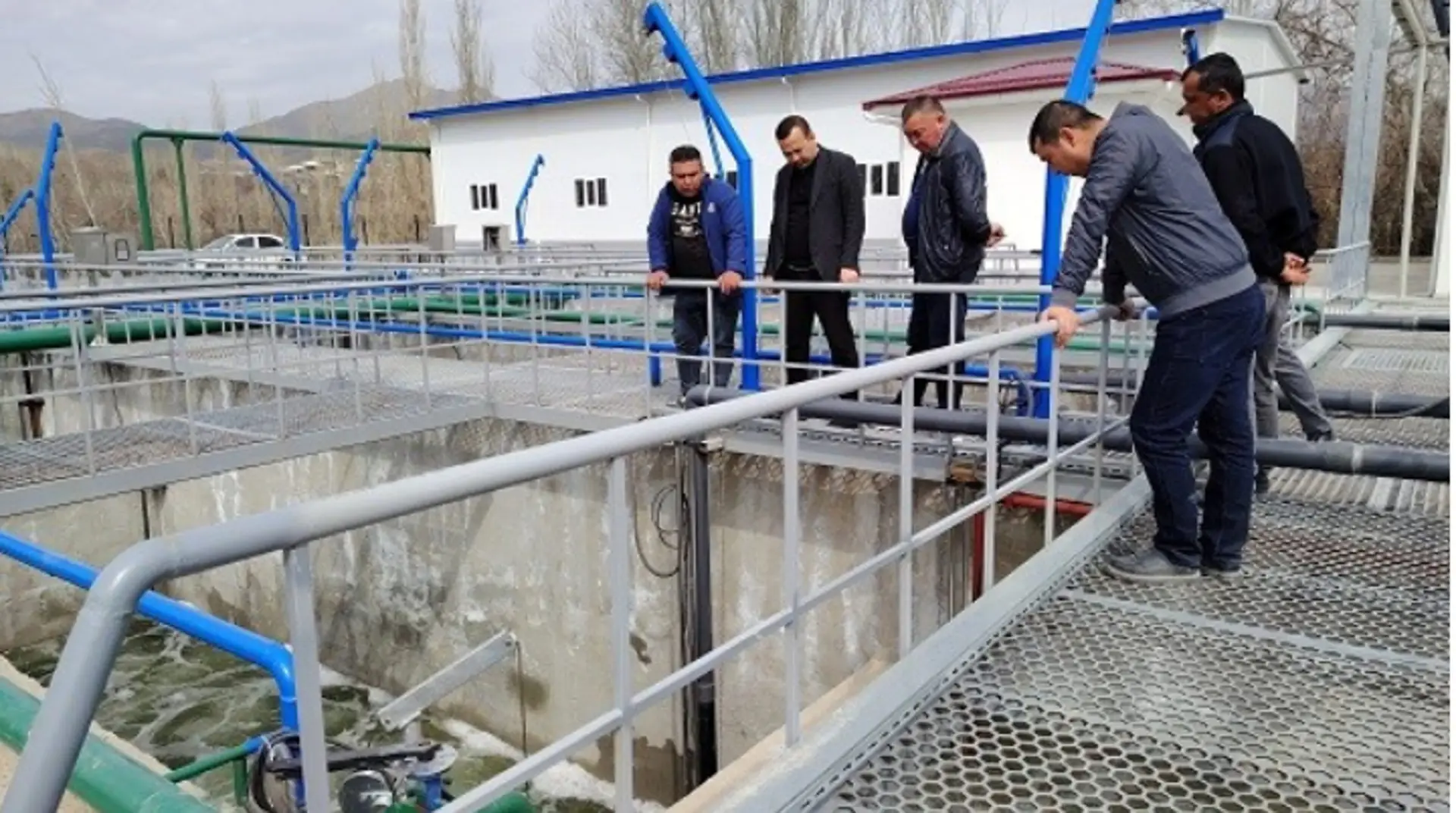

valves

In water and wastewater treatment plants, various types of valves are used to control the flow of water and wastewater through different stages of the treatment process. Here’s a list of common types of valves used:

  1. Gate Valves
  • Function: These are used to start or stop flow in pipes. They have a sliding or a rising stem that raises or lowers a gate to open or close the valve.
  • Use in Water Treatment: Often used in primary and secondary treatment processes.
  1. Ball Valves
  • Function: These use a hollow, perforated ball to regulate flow. When the valve is opened, the ball rotates to allow the flow through its hole.
  • Use in Water Treatment: Commonly used for quick on/off control in distribution systems and pump stations.
  1. Butterfly Valves
  • Function: These have a rotating disk in the flow path that acts as a damper or regulator of flow.
  • Use in Water Treatment: Suitable for large pipes and are used for regulating flow in aeration basins and settling tanks.
  1. Check Valves
  • Function: These allow flow in one direction only and prevent backflow.
  • Use in Water Treatment: Essential in protecting pumps and other equipment from reverse flow.
  1. Globe Valves
  • Function: These have a spherical body and a disc that moves up and down to control flow. They are typically used for throttling applications.
  • Use in Water Treatment: Suitable for controlling flow in pipelines and tank outlets.
  1. Pinch Valves
  • Function: These use a flexible sleeve which pinches shut to stop flow. They can be used for slurries and other viscous liquids.
  • Use in Wastewater Treatment: Effective in controlling flow of sludge and waste streams.
  1. Pressure Reducing Valves (PRVs)
  • Function: These automatically reduce the pressure of the incoming water to a safe level for distribution.
  • Use in Water Treatment: Protect pipes and equipment from high pressure, maintaining optimal pressure levels.
  1. Air Release Valves
  • Function: These release air trapped in a pipeline during the filling process and let in air during draining to prevent vacuum formation.
  • Use in Water Treatment: Important in preventing airlock and ensuring smooth operation of the system.
  1. Double-Check Valve Assemblies
  • Function: These prevent contamination of the potable water supply by isolating it from potential sources of contamination.
  • Use in Water Treatment: Installed at points where there is a potential for backflow into the potable water supply.

These valves are essential for the efficient operation and safety of water and wastewater treatment processes.


In water and wastewater treatment plants, valves play a critical role in controlling the flow, pressure, and direction of liquids and gases through the system. There are several types of valves used in these plants, each serving different purposes. Here is an overview of the types of valves commonly used in water and wastewater treatment plants:

  1. Gate Valves:
  • Function: Gate valves control flow by raising or lowering a gate (or disc) that fits into a notch in the valve body. They are designed to be fully opened or closed and are not suitable for throttling.
  • Performance: They are reliable and durable but can be slow to operate and may require regular maintenance due to wear on the gate and seat. Gate valves are typically used in applications where flow is not required to be controlled constantly.
  1. Ball Valves:
  • Function: Ball valves use a spherical ball with a hole in it that rotates to open or close the valve. They are quick to operate and provide good sealing.
  • Performance: Ball valves are versatile, easy to operate, and provide tight shutoff. They can be used for high-pressure applications and are effective in situations where quick shutoff is needed.
  1. Butterfly Valves:
  • Function: Butterfly valves use a disc that rotates in the center of the pipe to control flow. They are lightweight and compact, making them suitable for large pipes and tight spaces.
  • Performance: They offer good control over flow rates and can be used for both fully open and partially closed positions. Butterfly valves are commonly used in water and wastewater treatment due to their cost-effectiveness and ease of installation.
  1. Check Valves:
  • Function: Check valves allow flow in one direction only, preventing backflow in the system. They can be spring-loaded or use gravity to close when flow reverses.
  • Performance: Check valves are crucial in protecting pumps, meters, and other equipment from damage caused by backflow. They are reliable and require minimal maintenance.
  1. Diaphragm Valves:
  • Function: Diaphragm valves use a flexible diaphragm to control flow. The diaphragm moves up and down to open or close the valve.
  • Performance: These valves provide excellent sealing and are effective for handling abrasive or corrosive fluids. They are also suitable for handling slurries and viscous materials, making them ideal for wastewater treatment applications.
  1. Plug Valves:
  • Function: Plug valves use a cylindrical or conical plug to control flow. They can be quarter-turn (open or closed) or multi-turn (partially open) and are typically used in low-pressure applications.
  • Performance: Plug valves offer easy operation and quick shutoff. They are often used in applications where the flow needs to be completely shut off or directed.
  1. Pressure Reducing Valves (PRVs):
  • Function: PRVs control the pressure of the fluid passing through the system, ensuring that downstream equipment is not subjected to excessive pressure.
  • Performance: These valves are critical in preventing damage to pipes, pumps, and other equipment by maintaining a stable, lower pressure in the system.

Performance Considerations:

  • Durability: Valves need to withstand the harsh environments of wastewater treatment plants, including exposure to corrosive chemicals and abrasive materials.
  • Maintenance: Easy maintenance and repair are important to ensure minimal downtime and optimal performance.
  • Control: Valves should be capable of precise flow control to maintain treatment efficiency and protect equipment.
  • Cost: The initial and long-term cost of valves should align with the specific needs of the treatment plant, balancing quality and budget.

Each type of valve serves a specific role in the treatment process, and the choice of valve depends on factors like pressure, flow rate, maintenance requirements, and the type of media being processed.